Contacto
  Denuncias
  Est. Financieros
  Portal Clientes
  Proveedores
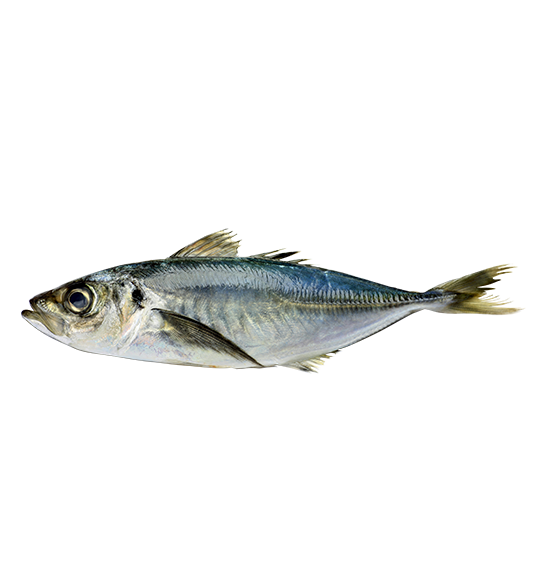
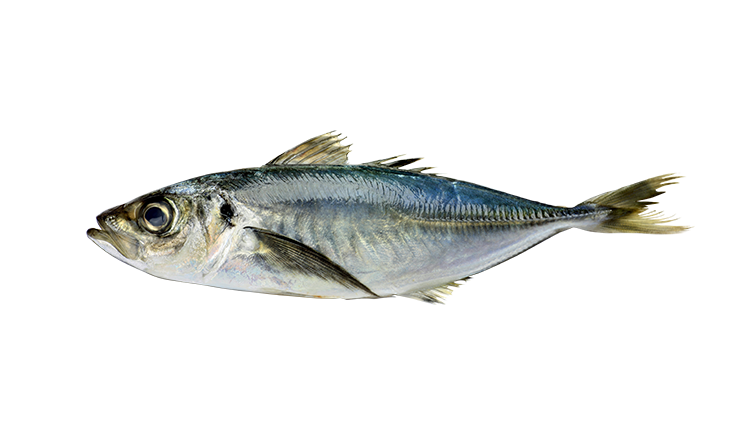
 Camanchaca uses the jack mackerel caught in south-central Chile to produce frozen jack mackerel at its plant in Coronel.


Camanchaca uses the jack mackerel caught in south-central Chile to produce frozen jack mackerel at its plant in Coronel.

Raw material is caught using purse-seine fishing, which allows more than 90% selectivity. Once on board, it is stored in coolers with capacity of 650 tons and technology that chills the catch to below 1°C in two hours. The journey back to port is less than 18 hours. Camanchaca has MSC certification, which accredits the sustainability of its operations.

Raw material is stored in bins at temperatures between 0 and 4.4° during transportation to the plant (less than 72 hours). Upon unloading, raw material is duly tagged, so that traceability is possible throughout the production line. Ninety-eight percent of the total catch is used for human consumption.

Two 1,500 kg-capacity backsavers are used to empty the bins onto the processing line feeder, which has a capacity of 6m3. On the selection table, fish is separated by destination and manually graded. The bins are transported by hopper truck at temperatures below 4.4°C to the fishmeal plant.
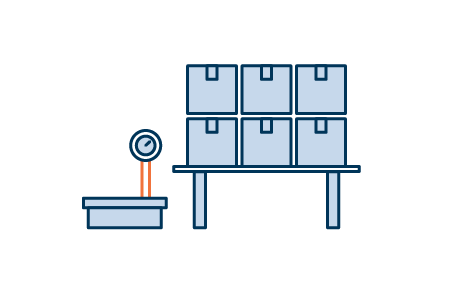
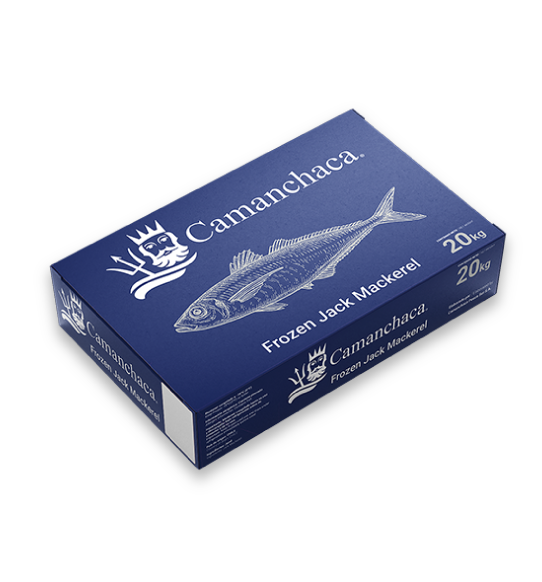
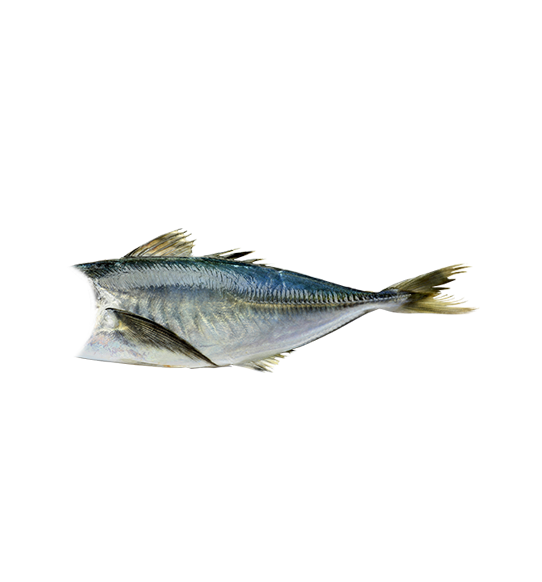
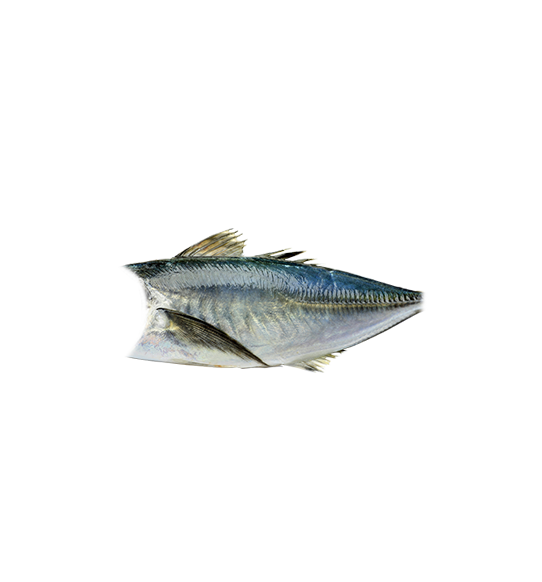
HG and HGT portions are cut and automatically gutted at the canning plant, then sent in bins to the frozen fish plant, where they are packed in bulk at the weight specified by the buyer (20 Kg/10 Kg). Chilled-refrigerated products are packed to keep temperatures between -1 and 4.4°C, then labeled for traceability. Boxes are placed on racks or pallets. Up to 400 tons of frozen product are produced daily.
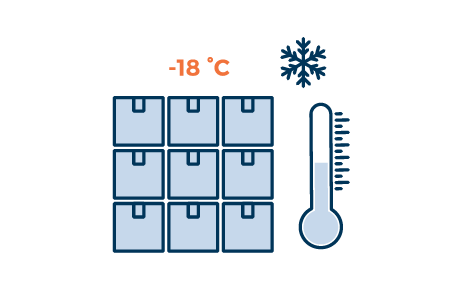
Racks are moved to freezing tunnels, which have a maximum capacity of 330 racks of 60 boxes each, where they remain for 18 to 20 hours until they reach < -18ºC.
Cargo
EducaciónBiografía