Contacto
  Denuncias
  Est. Financieros
  Portal Clientes
  Proveedores
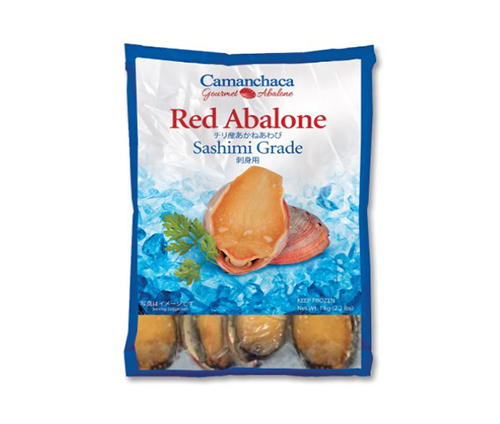
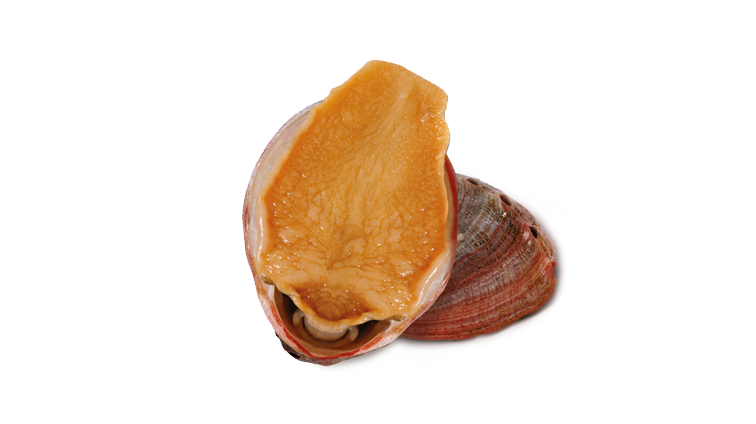
 Abalone are farmed in Caldera (Atacama Region) in land-based, open-flow tanks. The facilities enable good levels of biomass and sanitary conditions that favor this activity.


Abalone are farmed in Caldera (Atacama Region) in land-based, open-flow tanks. The facilities enable good levels of biomass and sanitary conditions that favor this activity.
 Product sheets Raw IQF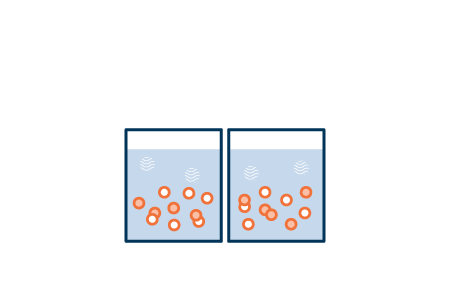
The reproduction process begins under artificial, controlled conditions that produce swimming abalone larvae in 4 days. These larvae become seeds with the features and shape of abalone. They feed on micro algae and then macro algae for a period of 8 months.
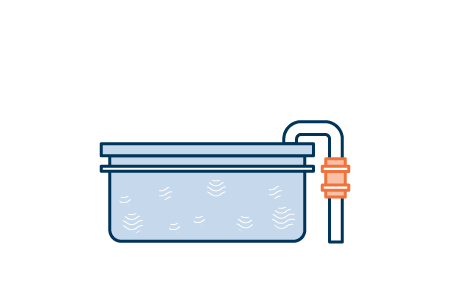
Juvenile abalone develop in open tanks, with optimal hygiene conditions, that allow sea water and air to flow freely in a dark environment, where they are fed fresh macro algae to optimize their development for a 22-month period. Then, in the same tank and phytosanitary conditions as the pre-grow out environment, the animals reach adult size and optimum conditions for sale in a period of between 10 and 12 months.
Under a strict quality program (HACCP) and high food safety standards, abalone are processed into whole frozen abalone (cryogenic), whole pre-cooked frozen abalone and frozen abalone meat.
Cargo
EducaciónBiografía