Contacto
  Denuncias
  Est. Financieros
  Portal Clientes
  Proveedores
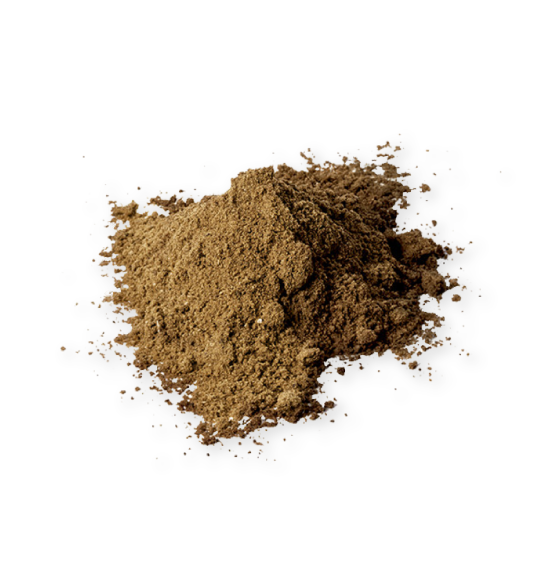
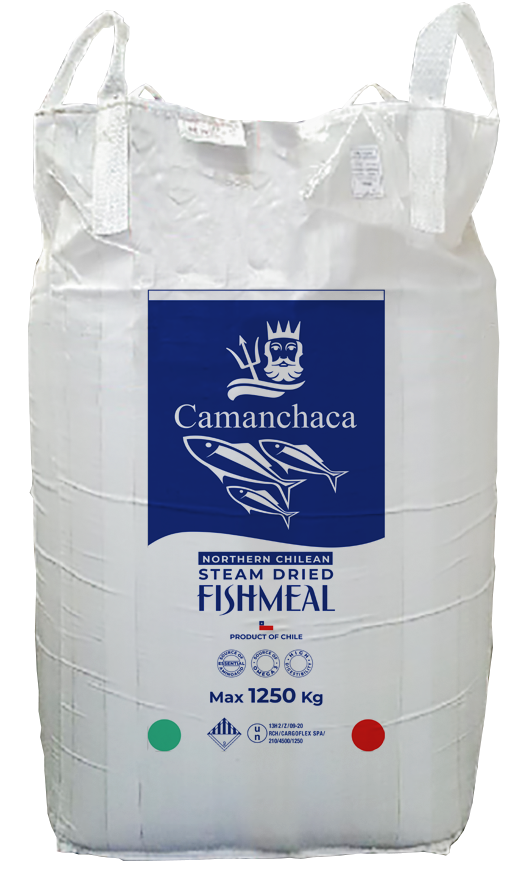
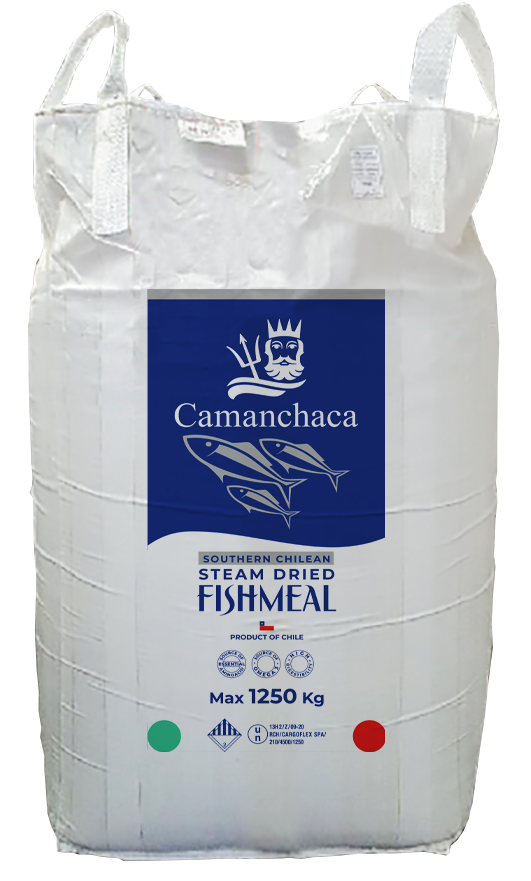
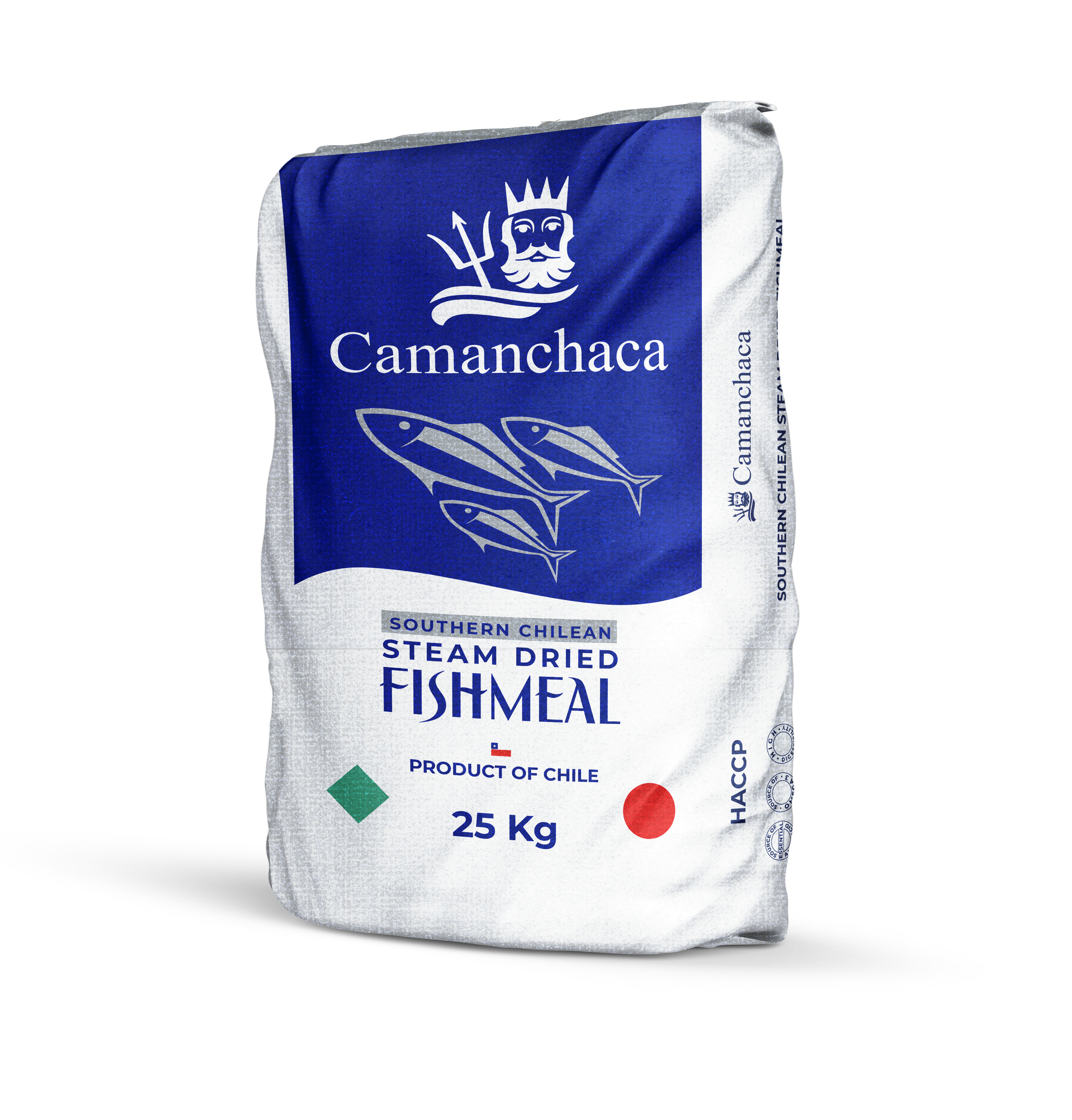
 Camanchaca manufactures fishmeal at its Coronel plant, Bio Region, using sardines caught in south-central Chile, and at its Iquique plant, Tarapacá Region, using anchovy caught in northern Chile.


Camanchaca manufactures fishmeal at its Coronel plant, Bio Region, using sardines caught in south-central Chile, and at its Iquique plant, Tarapacá Region, using anchovy caught in northern Chile.


 Product sheets FishmealProduct sheets FishmealProduct sheets FishmealProduct sheets FishmealProduct sheets Fishmeal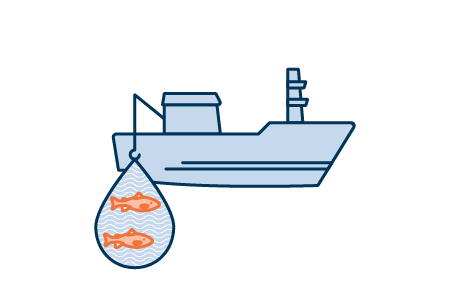
After being caught in the deep sea, the raw material is transported to the processing plant where it is separated for human or animal consumption.
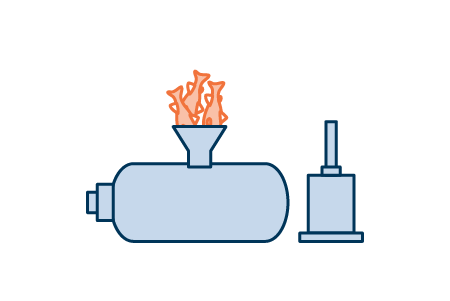
The raw material undergoes a thermal process at a pressure, temperature and time set based on what is being processed. The fish from the cooker then undergoes the process of squeezing or mechanical pressing, which produces press liquor (liquid) and press cake (solid).

The press liquor is centrifuged to separate the remaining solids, which are then added to the press cake. The liquid is sent to the centrifuge where the water (stickwater) and oil separate at a temperature of 95°C.
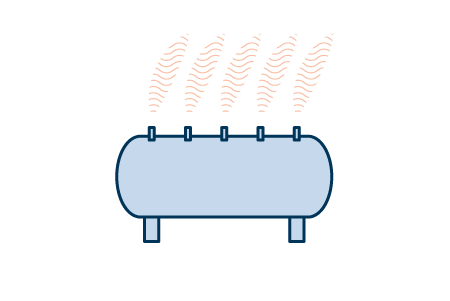
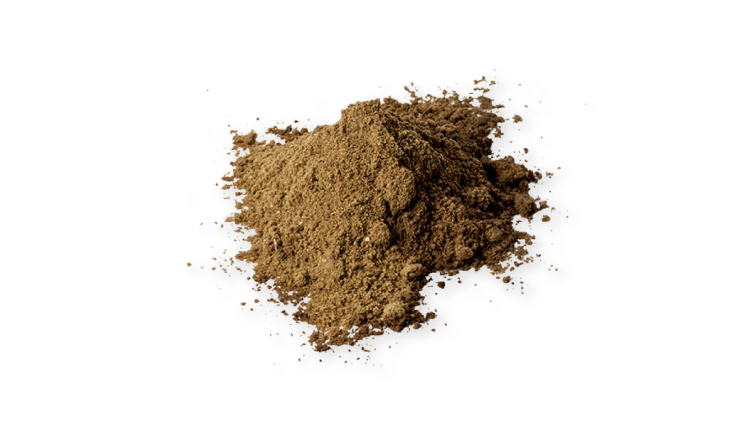
Stickwater is sent to evaporators where the soluble solids contained in the liquid are concentrated through evaporation. This “concentrate” or soluble protein is added to the press cake, which is homogenized in rotary disc dryers and dried.
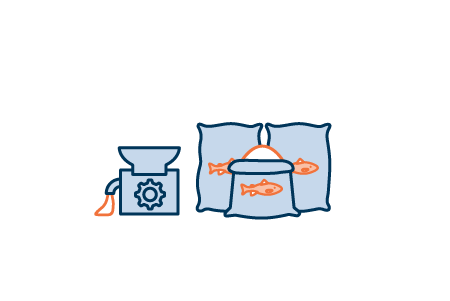
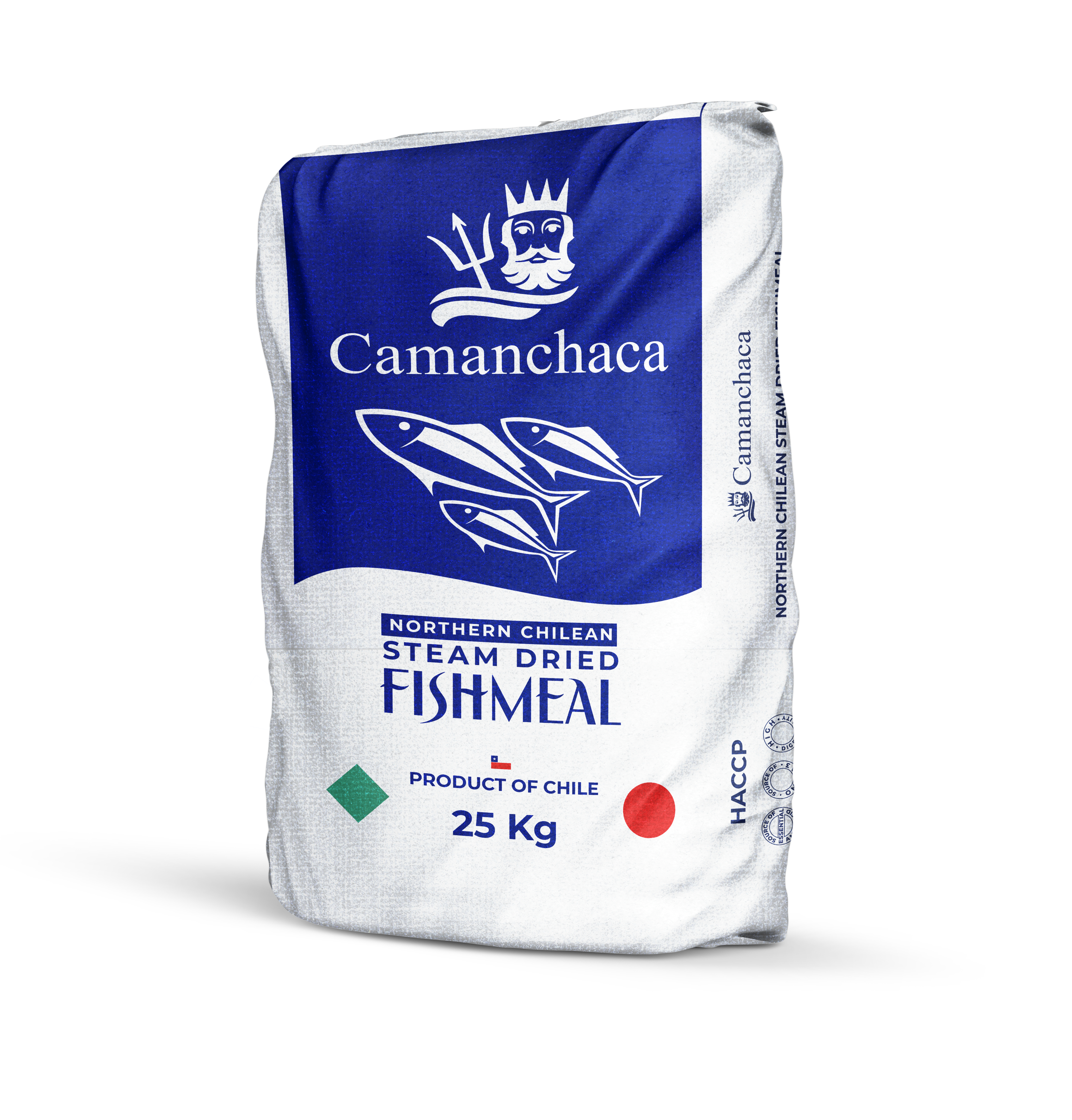
The fishmeal is chilled to below 30°C and the resulting “scraps” are ground to commercially acceptable size. Fishmeal is packaged in sacks or maxisacks weighing 25 or 1,200 kilos, depending on customer specifications.
Cargo
EducaciónBiografía